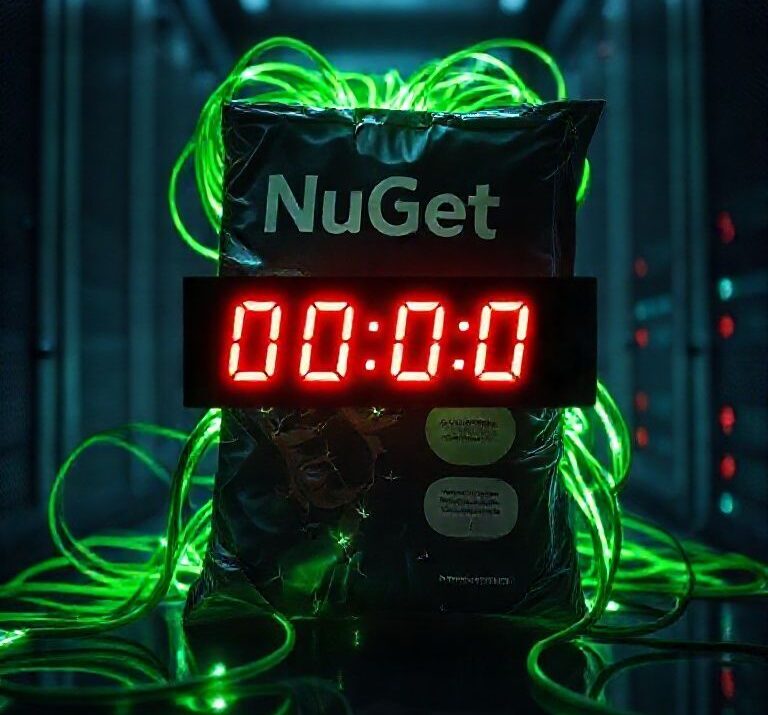

Okay, so I stumbled across something pretty wild today that I just had to share. It’s about some sneaky malware hidden in NuGet packages, and the twist is that they’re designed to detonate years after installation. Seriously, we’re talking about a time-delayed digital disaster waiting to happen!
Apparently, a bunch of malicious NuGet packages were lurking around in 2023 and 2024, all thanks to a user going by the name “shanhai666.” According to a report from Socket, a software supply chain security company, these packages have a nasty surprise programmed for August 2027. Yep, you read that right. These packages were designed to wait for years before activating their malicious code, with the intention of sabotaging database operations and even corrupting industrial control systems.
Imagine the chaos! This isn’t just about your website going down for a few minutes. This is about potentially crippling entire industrial processes.
This kind of attack really highlights the increasing sophistication of supply chain attacks. We’re not just battling viruses anymore; we’re dealing with strategically placed, time-delayed bombs hidden in the software we rely on every day. According to Sonatype’s 2023 State of the Software Supply Chain Report, supply chain attacks increased by 742% between 2019 and 2022, demonstrating a clear trend of escalating risk.
It’s scary stuff, especially when you consider how many organizations rely on NuGet packages without fully vetting their contents. I mean, who has the time to dissect every single dependency? But maybe we need to start making the time.
This news really makes you think twice about your software development practices.
5 Key Takeaways to Protect Your Systems:
- Beef Up Your Security Audits: Don’t just blindly trust packages. Implement thorough security audits for all your dependencies. Tools like Socket (the same company that discovered this threat!) can help automate this process.
- Keep Dependencies Updated: Outdated packages are a playground for attackers. Regularly update your dependencies to the latest versions with security patches. A study by the National Institute of Standards and Technology (NIST) found that vulnerabilities in third-party components accounted for a significant percentage of security flaws in applications.
- Implement Least Privilege: Restrict the permissions granted to your applications and services. This limits the damage a malicious package can do if it does manage to detonate.
- Monitor Network Activity: Keep a close eye on network traffic for any unusual or suspicious activity. Unexpected connections or data transfers could be a sign of compromise.
- Educate Your Team: Make sure your developers are aware of the risks of supply chain attacks and know how to identify and report suspicious packages.
Frequently Asked Questions
- What is a NuGet package? NuGet is a package manager for .NET, allowing developers to easily share and use code libraries.
- Why are NuGet packages a target for malware? They are widely used and can be easily injected with malicious code, affecting many systems.
- How were these malicious packages discovered? Software supply chain security companies like Socket actively monitor NuGet and other repositories for suspicious activities.
- What specific actions were these packages designed to perform? They were designed to sabotage database operations and corrupt industrial control systems.
- How can I check if my project uses these malicious packages? Review your project’s dependencies and compare them against lists of known malicious packages published by security firms.
- What should I do if I find one of these packages in my project? Immediately remove the package and scan your system for any signs of compromise.
- Is this a problem only for .NET developers? While these specific packages target .NET, supply chain attacks can affect any software ecosystem.
- What’s the significance of the 2027 detonation date? It allows the malware to spread widely before activating, maximizing its impact.
- Are there tools to help automate dependency security checks? Yes, many commercial and open-source tools can scan your dependencies for known vulnerabilities. Snyk and OWASP Dependency-Check are excellent example
- Where can i find updated list of malicious nuget packages and how to prevent getting a victim? Reputable security firms constantly update their knowledge base of malitious packages and how to prevent being a victim for example Socket, Synk.
Ultimately, staying vigilant and proactive is the best defense. The software supply chain is a critical component of our digital infrastructure, and we need to treat it with the respect and attention it deserves. Let’s keep each other informed and work together to stay ahead of these evolving threats!